PREPARING A TEMPLE OFFERING
Sponsoring a temple poshak: confirm the temple’s brief before commissioning
Before commissioning a poshak for a temple, ask whether the temple accepts privately made attire and who can confirm its requirements. Bring the temple’s agreed garment brief to the maker, with the person responsible for approving the fit and design clearly identified.
Begin with the receiving temple’s own arrangements.
Ask the temple whom to contact about offering a new poshak. Explain that you are considering commissioning attire and ask whether an outside-made garment can be accepted. If the temple directs you to its own dress programme or another process, follow that guidance before discussing a new commission with a maker.
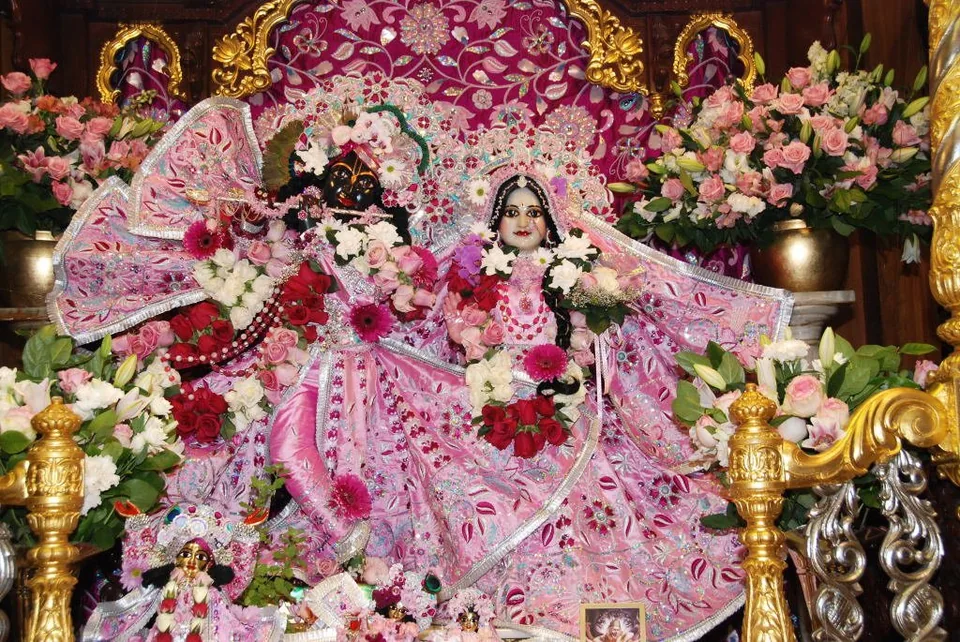
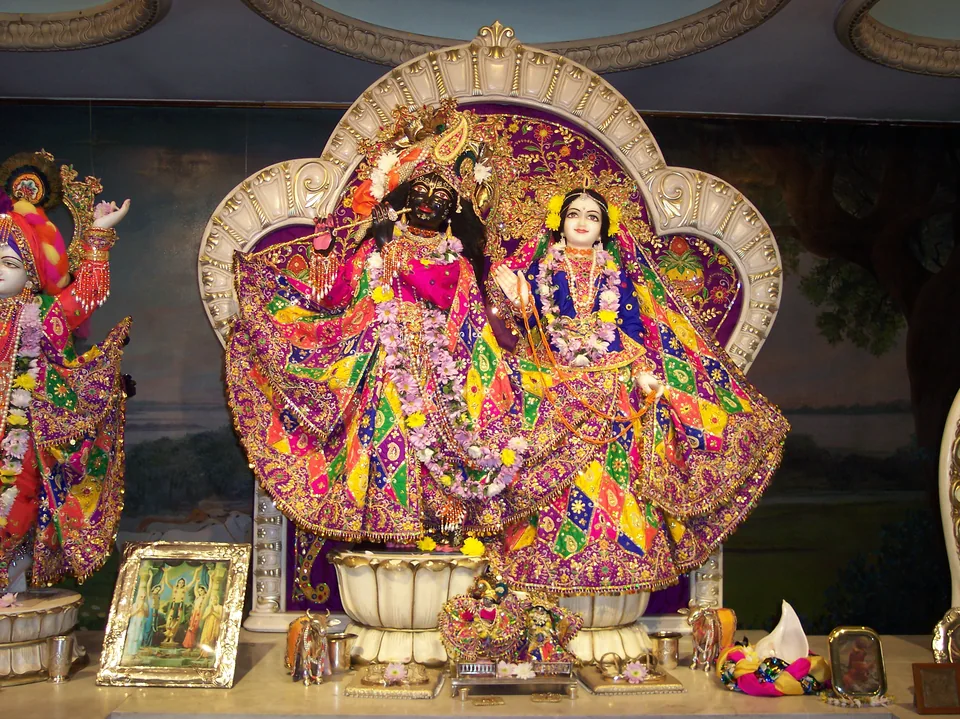
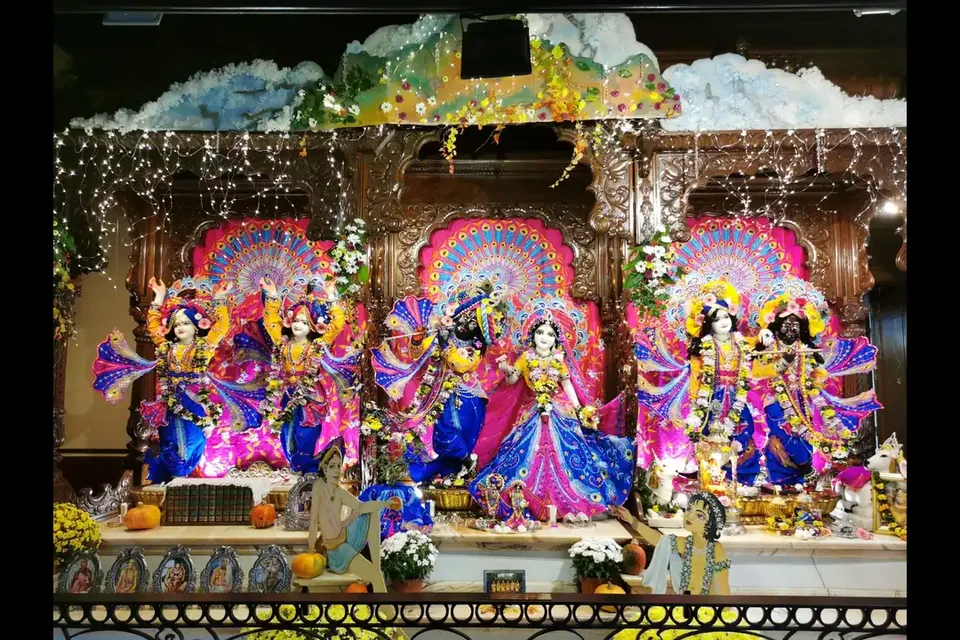
For context, the temple information linked below illustrates one organisation’s own sponsorship enquiry. It does not establish the process at your receiving temple. Ask about the deity, proposed occasion and any garment or design requirements directly. A public darshan photograph cannot confirm which outside offerings are accepted.
Obtain the garment information from the responsible dresser.
Identify who at the temple can provide the garment list and fit information. Ask which deity or set the attire is for, which pieces are needed and which current garments or ornaments should remain in use. Keep each deity’s details separately labelled within the combined brief.
Use measurements and reference photographs approved by that contact, with permission to share them with the maker. Record units and measurement points, and ask which further dimensions are needed. Our measurement guide helps organise information; the receiving temple remains the source of its own dressing requirements.
Identify who will confirm the design.
The sponsor may have a preferred colour or motif, while the temple may have requirements for its own attire. Present your preference as a proposal and ask the responsible contact to confirm what can be taken forward. Avoid treating another temple’s outfit as a rule for this one.
Agree who will combine the instructions before they reach the maker. A hypothetical note could say: “The temple contact will confirm the garment measurements and accepted design; I will discuss the quote once those details are settled.” Keep unanswered questions visible. Record the current agreed version if a proposed detail changes.
Bring the accepted brief into the making conversation.
Ashok Mukut Wala’s custom poshak service is a starting point for discussing garment fit, fabric and hand embroidery. Share the temple-approved pieces and references, then ask what materials and construction are proposed for that brief. Identify any mukut, mala or backdrop as a separate requested item.
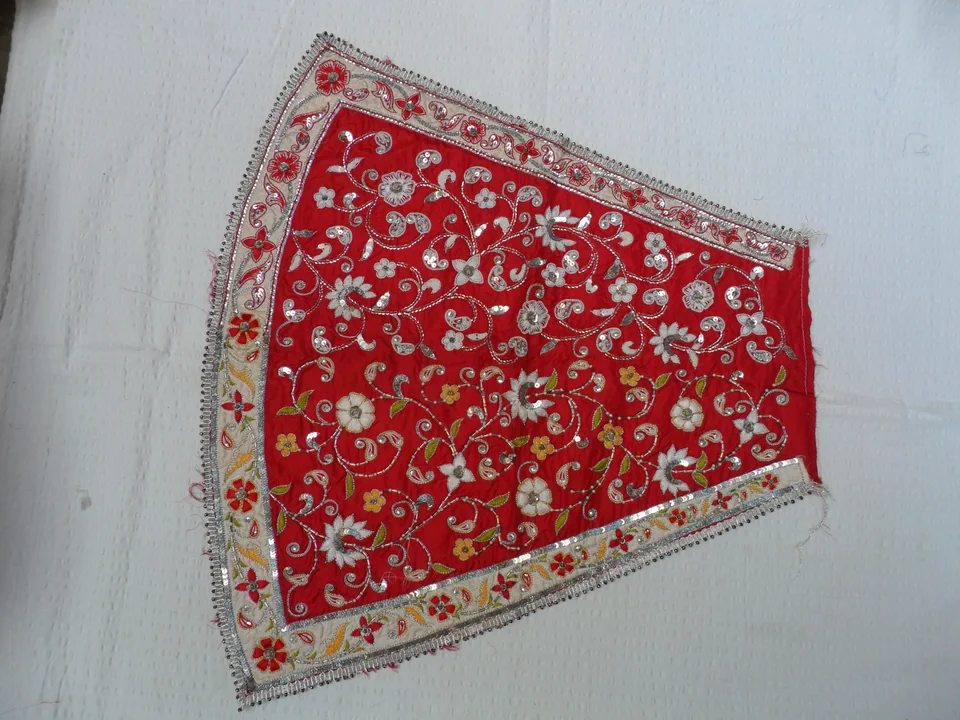
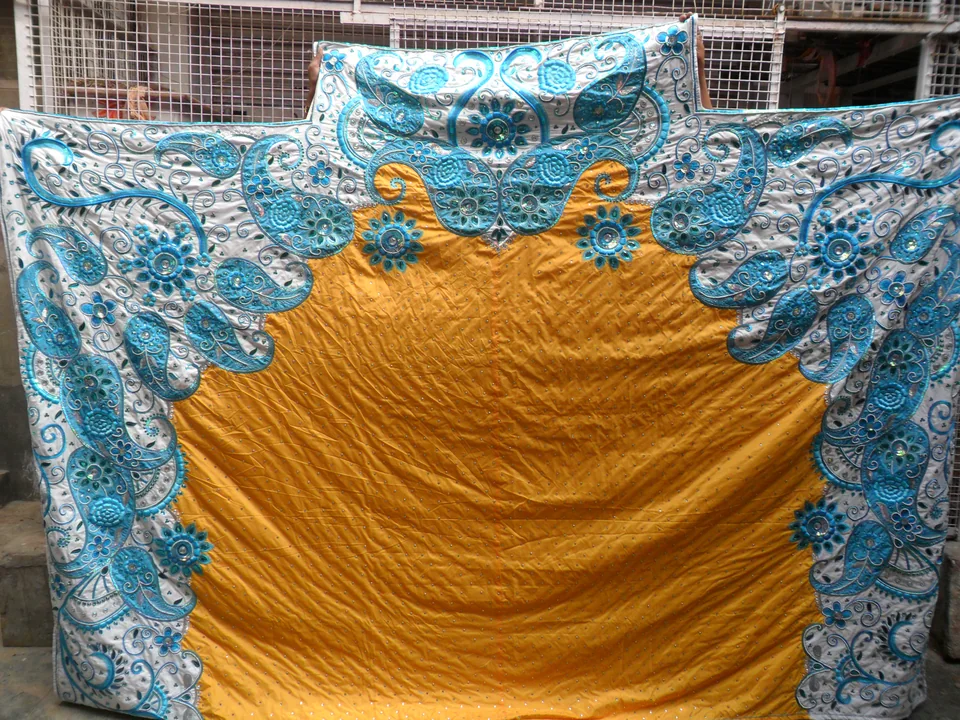
Our design photographs can help you name a border or decorative arrangement you wish to discuss. An archive image does not establish a temple affiliation, a completed sponsorship or permission to reproduce its exact ensemble. Use the complete-ensemble guide if several pieces belong in the proposal.
Confirm the making schedule and temple arrangements separately.
Explain the proposed offering date and ask the maker to confirm feasibility before placing an order. Separately, ask the temple who will receive the garments and how the offering should be arranged. A date requested by a sponsor does not reserve a temple occasion or confirm that the maker can meet it.
- Has the receiving temple agreed to the proposed attire?
- Who confirms the measurements and design?
- Which pieces, materials and decorative work are included in the quote?
- What payment terms, completion date and receiving arrangement have been agreed directly?
Keep the temple’s decisions and the maker’s quote together in your records. Begin the enquiry with the confirmed brief and any questions still requiring discussion.