PLANNING DEITY ATTIRE
Custom deity dresses: measurements and details to share
A custom dress begins with a clear picture of the deity and the way the attire will be used. A few well-organised details make the first conversation much more useful.
Begin with the deity, not a size label.
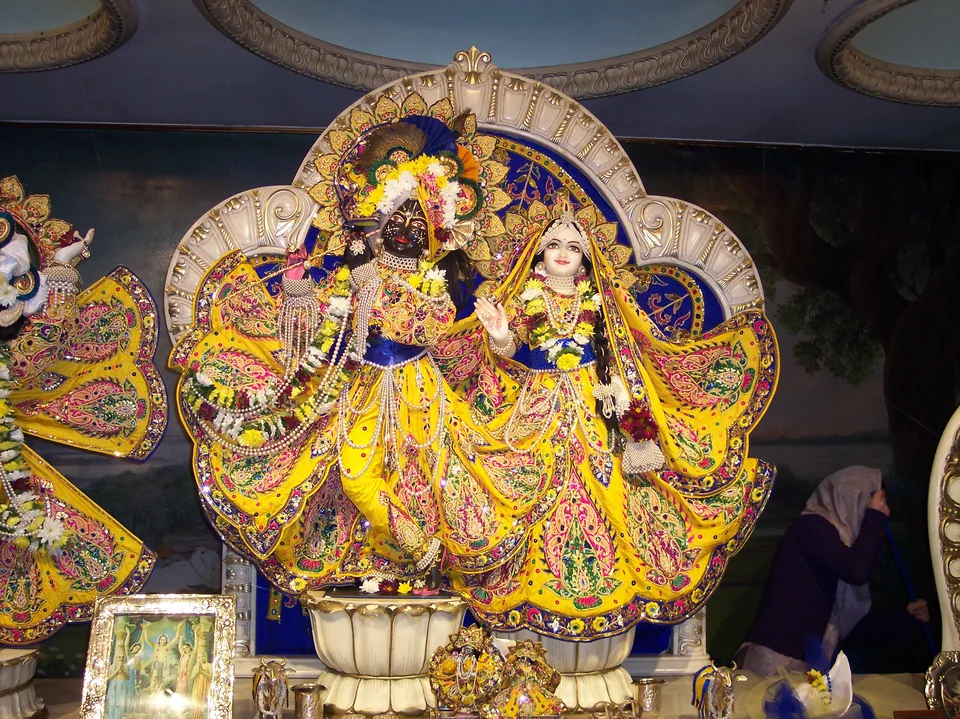
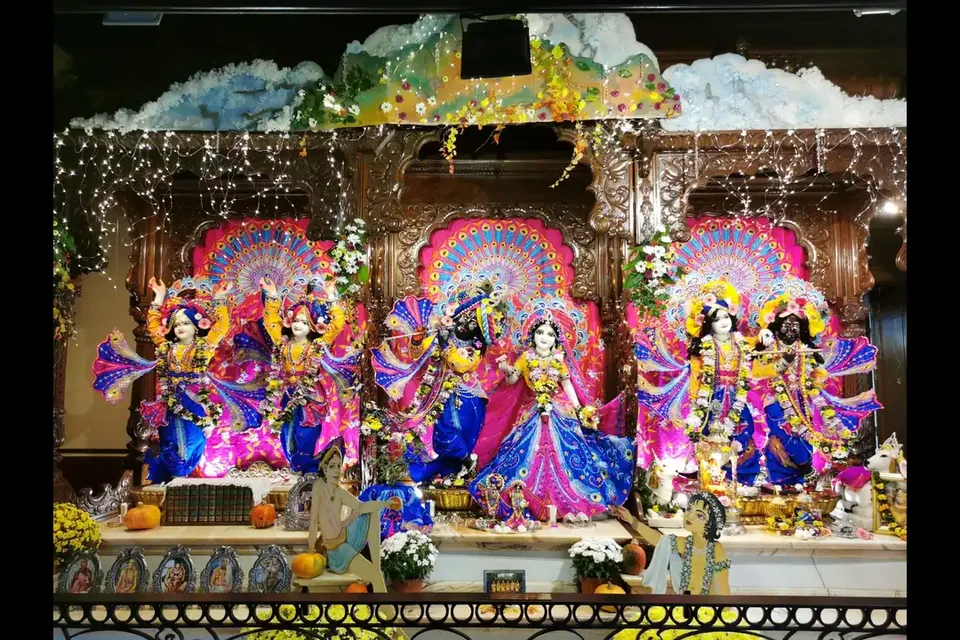
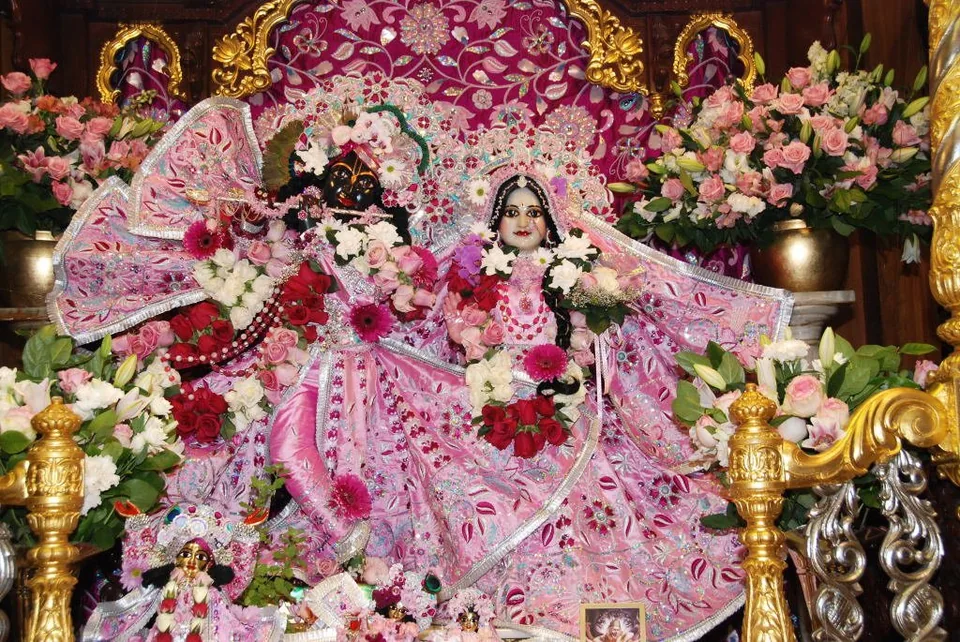
A description such as “small Radha Krishna dress” is a starting point, but it does not explain the deity’s proportions, posture or the pieces you need. Two deities of a similar overall height can still need different garment lengths and widths. Tell us which deity or set of deities the attire is for, and whether you are planning a complete coordinated set or a single replacement piece.
Include a clear front photograph and, when possible, a side photograph. A photograph of an existing outfit that fits well can be useful too. Explain what you like about that fit and what you would like to change. Keep each deity’s photographs and measurements together so details from a pair or a larger temple ensemble do not get mixed up.
Make every measurement easy to understand.
Write the unit beside the measurements. A number without “cm” or “inches” leaves room for confusion. Label each dimension in words, rather than sending a list of numbers on its own. Depending on the deity and the garment, the discussion may include chest or waist measurements, shoulder width, sleeve length, blouse length and the required skirt or dhoti length.
The starting and ending points matter as much as the number. For example, explain whether a length ends at the feet or includes a pedestal. A simple labelled sketch or an annotated photograph can make that distinction clear. These are details to discuss with the maker, rather than a universal measurement chart for every deity.
If you follow a particular dressing practice in your temple or home, mention it. Share the measurements you already have and ask which additional dimensions are needed for the chosen design. Take measurements in a way that respects your own worship practice.
Describe the complete outfit.
A dress enquiry becomes clearer when it includes a short list of the pieces you expect. Do you need a skirt and blouse, a dhoti, sleeves, a scarf, a turban cloth or additional coordinating fabric? If there are several deities, identify the pieces for each one.
Discuss mukuts and accessories separately if they are part of the ensemble. A dress measurement does not establish the fit of a crown. If you also need a backdrop, share its usable width and height, along with a photograph of the worship space.
A simple enquiry checklist.
- The deity or group of deities, with labelled photographs.
- Measurements with units and clear starting and ending points.
- The garments and accessories you would like included.
- The occasion, preferred colours and selected design references.
- Your required date, if there is one, and any fit details to discuss.
You can prepare this information in the custom design enquiry form. If you are still deciding, start with the photographs and the occasion. The remaining details can become part of the conversation.
Planning a custom poshak? Use this guide to organise the measurements you already know, then ask which further dimensions are needed. Our quote request guide helps bring those measurements into a complete design brief.