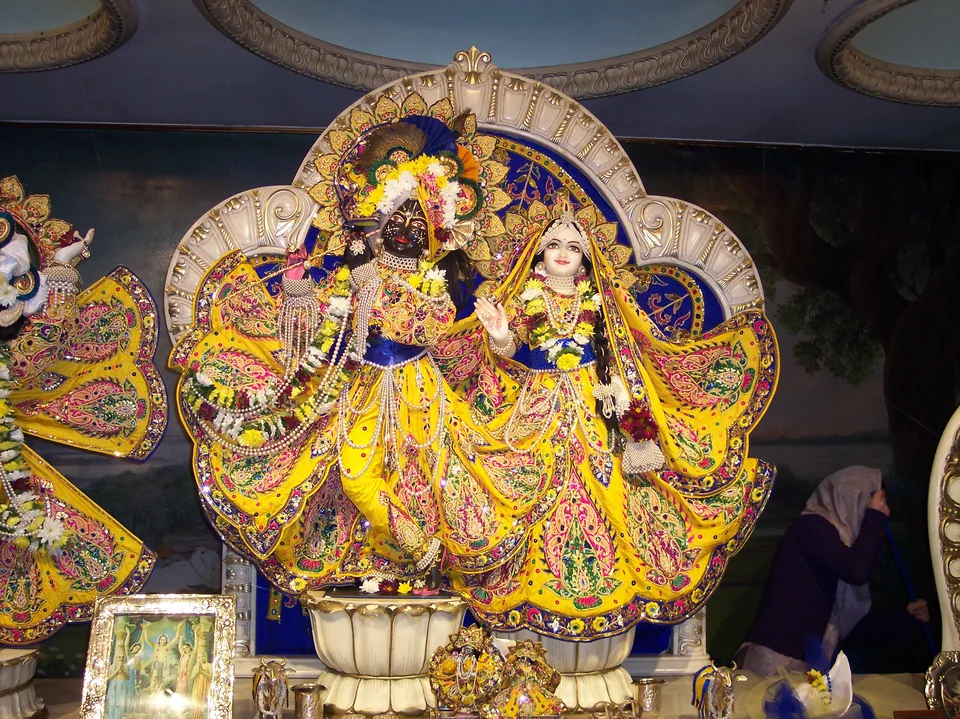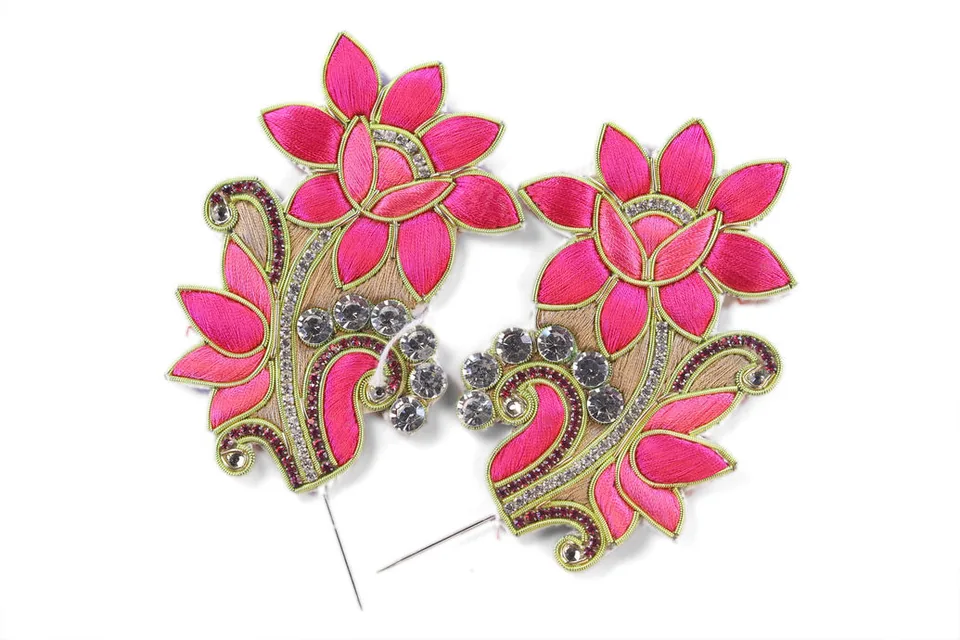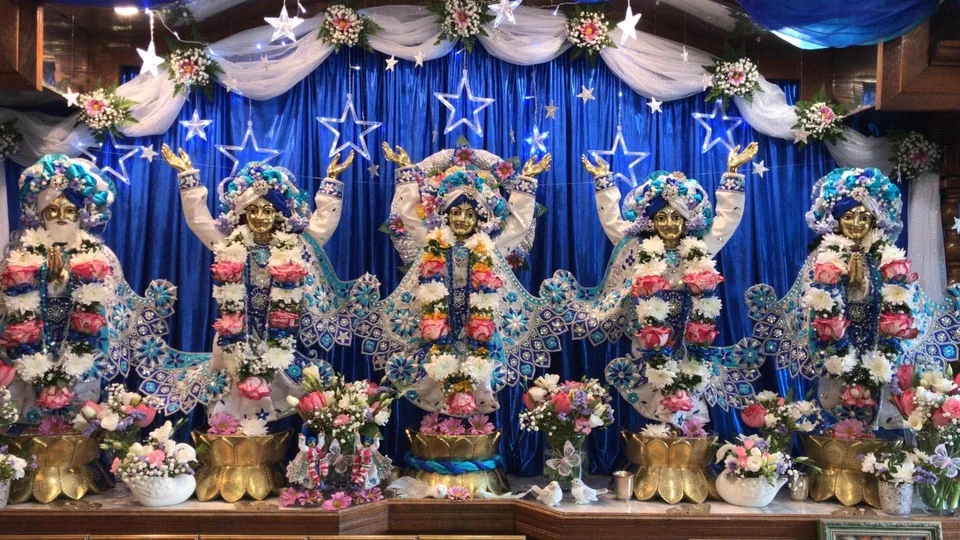
PLANNING THE WHOLE ENSEMBLE
Commissioning a complete ensemble: poshak, mukut, mala and backdrop
Commission a complete ensemble by agreeing which pieces are new, which will be reused and how their colours and decorative details should relate. Keep one combined scope of work, with the fit and space information each piece needs.
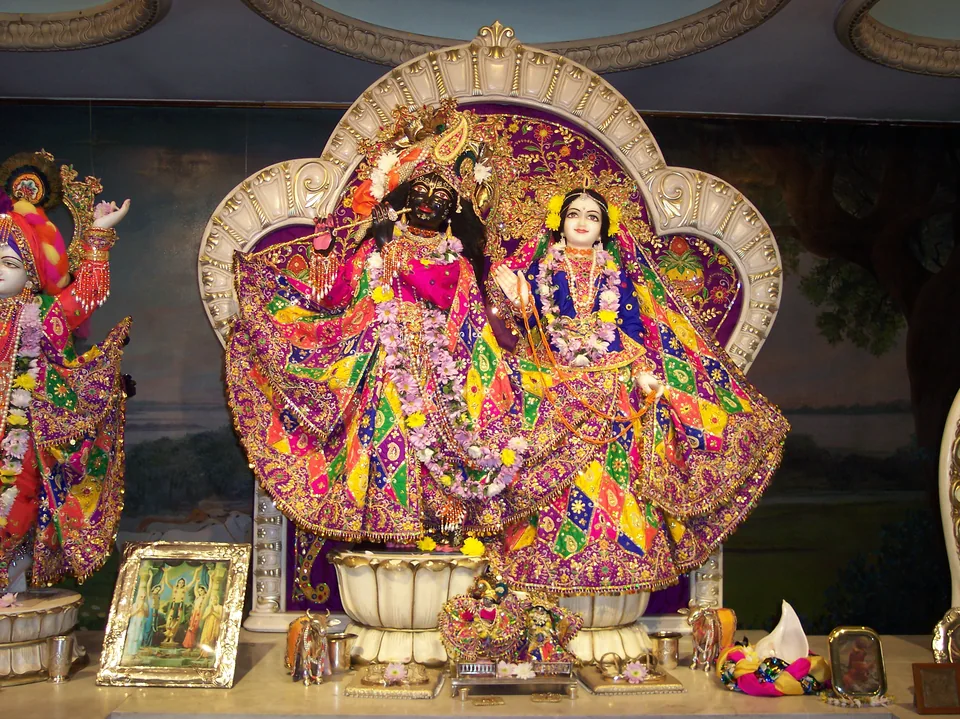
Mark every piece as new, existing or undecided.
Begin with four headings: garments, mukut, mala and backdrop. Under each, state what you already have and what you would like made. Add any scarf, turban cloth or other coordinating piece that belongs to your dressing practice. If something is undecided, label it that way instead of leaving its status implied.
This prevents an ensemble photograph from becoming an assumed order list. Ashok Mukut Wala’s services include custom deity dresses, mukuts and accessories, and custom backdrops; the scope of your particular commission should still be agreed directly.
Prepare the information each piece needs.
Garment measurements, crown fit and backdrop dimensions are separate parts of the brief. Label them with units and explain what each number measures. For a mukut, describe how the current piece is supported or fastened and ask which measurements are required for the proposed design.
For the backdrop, record the usable width and height of the space and identify any frame, shelf or support it must work around. Our backdrop guide and accessory guide go into those individual decisions. A garment size cannot substitute for all of them.
Show the ensemble in its worship space.
Take a complete photograph of the current arrangement, then add closer views of the pieces you intend to keep. Include the surrounding space so the maker can understand the setting of the requested ensemble. Identify which flowers or temporary decorations in the photograph are references only.
For a pair or group of deities, keep the overall design note together while labelling each deity’s garments and measurements separately. Point out any feature you want visible in the complete arrangement, such as a border or particular ornament, so its relationship to the other pieces can be discussed.
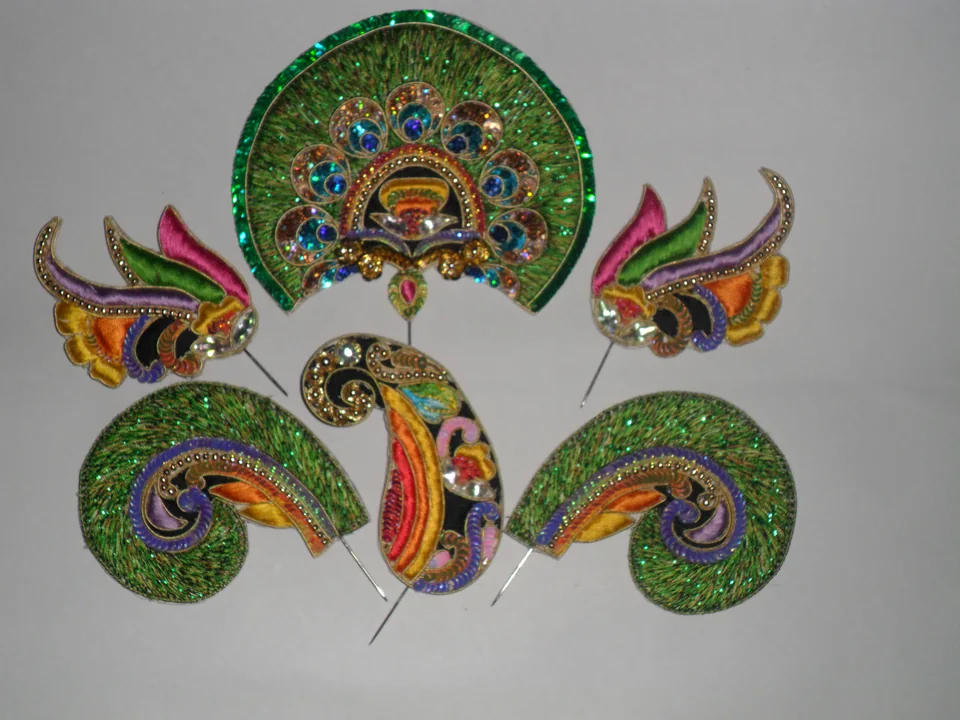
Confirm the ensemble as one clear scope of work.
- A list of new pieces and existing pieces being reused.
- The dimensions and fit details for each part.
- Agreed colours, materials and decorative relationships.
- The items included in the quote and any outstanding choices.
- The requested occasion or date, with timing and receiving arrangements confirmed directly.
Use the quote request guide to check the included work. You can begin through the custom design enquiry, noting that you want to discuss an ensemble. Attach the complete and labelled detail photographs after opening WhatsApp.