UNDERSTANDING THE CRAFT
Zari, sequins and beads in hand embroidered deity attire
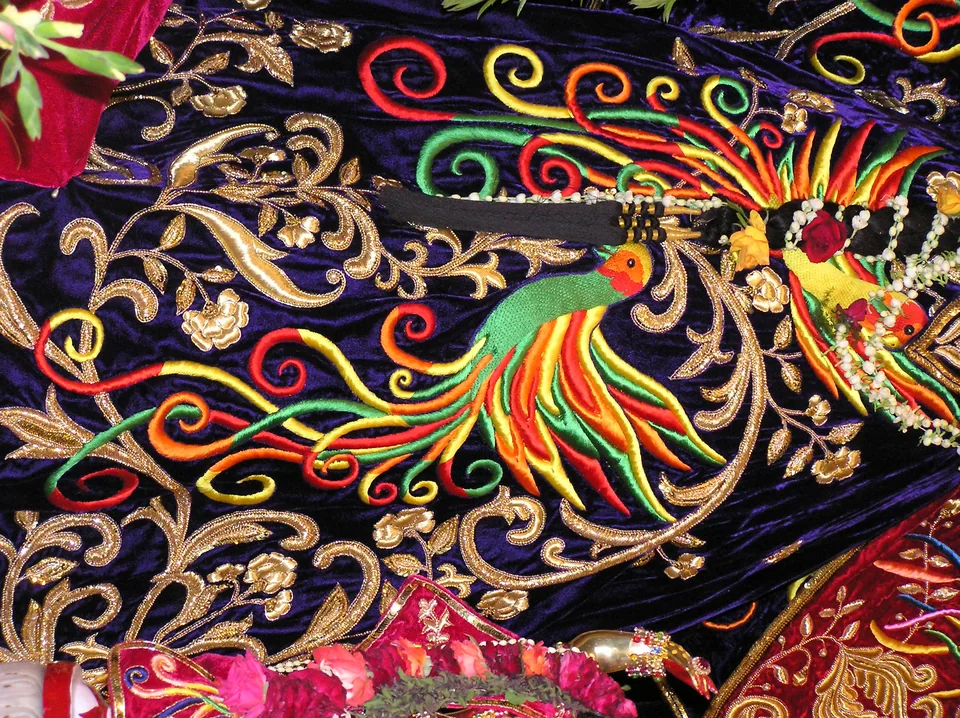
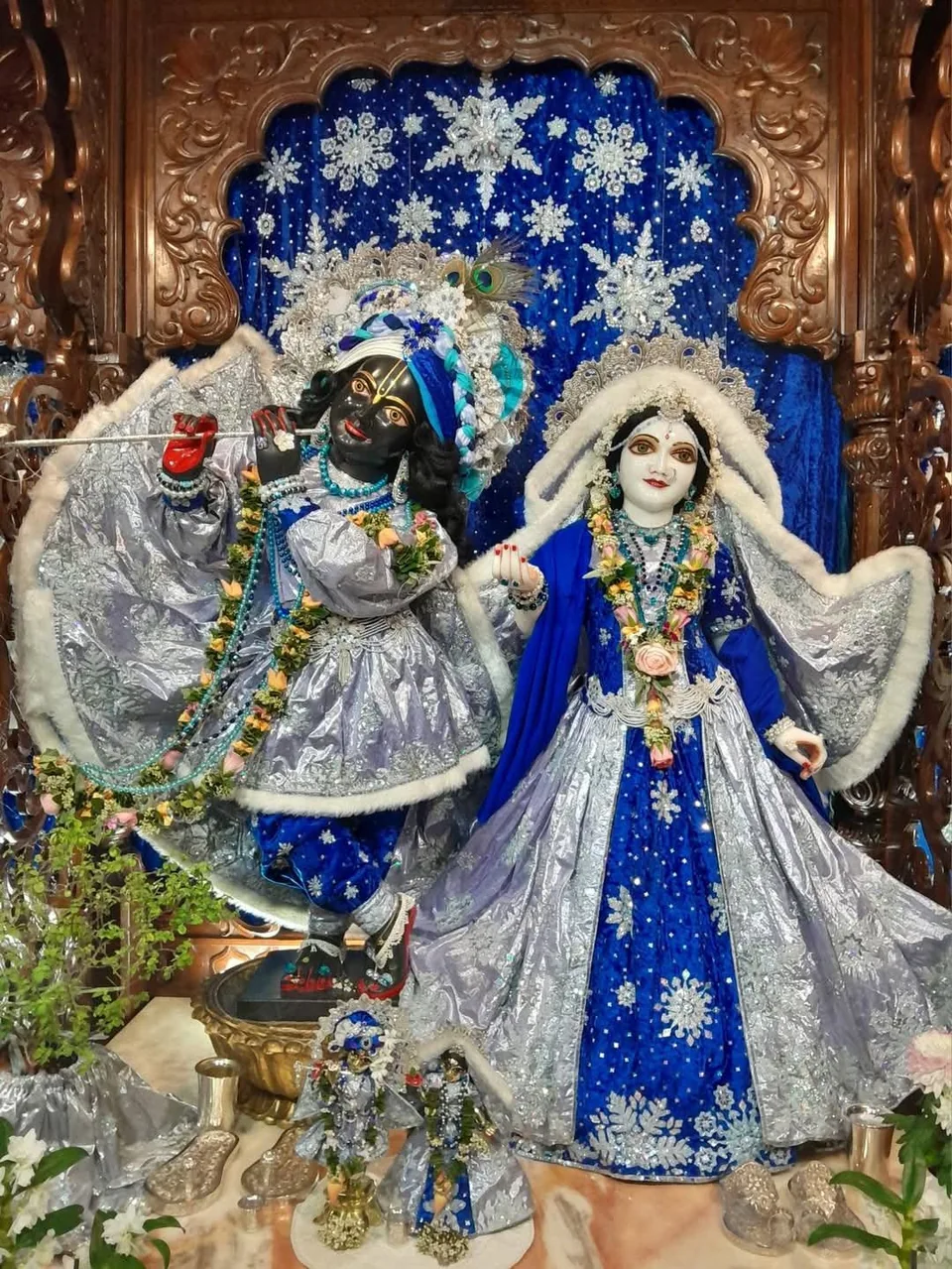
The photograph of a finished dress shows its colours and shape. A closer look reveals the smaller decisions: a stitched line, a reflective detail and the space around a motif.
Embroidery is part of the design.
Hand embroidery adds a pattern or decoration to a fabric ground. In deity attire, it can help define a border, create a floral motif or bring a small area of colour into focus. The effect depends on the relationship between the fabric, the stitched design and the finished garment, rather than the number of decorative elements alone.
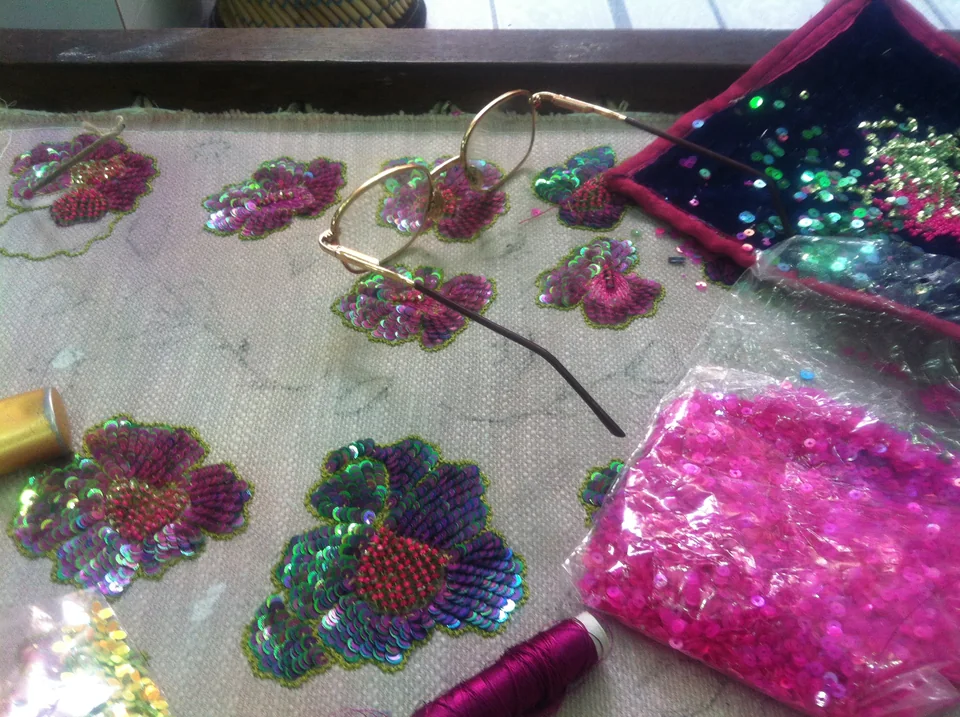
Our collection includes work with zari, sequins and beads. These materials can appear together, but they contribute different visual details. When discussing a custom dress, point to the part of a sample you like. A preference for a clear floral outline is different from a preference for a densely embellished surface.
Look at metallic thread work closely.
Metal thread embroidery uses metallic threads to create decorative needlework. The Textile Research Centre describes several ways of working with these threads, including laying them on the fabric surface and securing them with small stitches, a method known as couching. Techniques and thread construction vary; the appearance of a gold-coloured detail does not, by itself, establish its material composition.
For a new design, ask about the thread or trim being proposed and the finish it gives. Show the amount of metallic detail you prefer. A narrow accent around a border can create a different look from a broad embroidered panel, even when the colour palette stays the same.
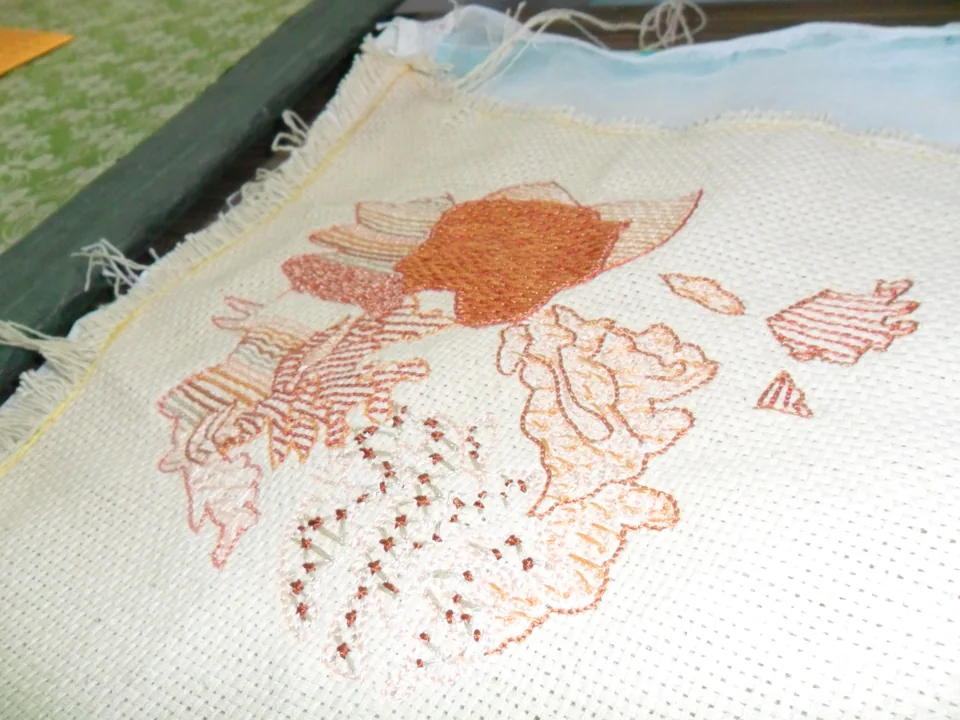
Let sequins and beads have a purpose.
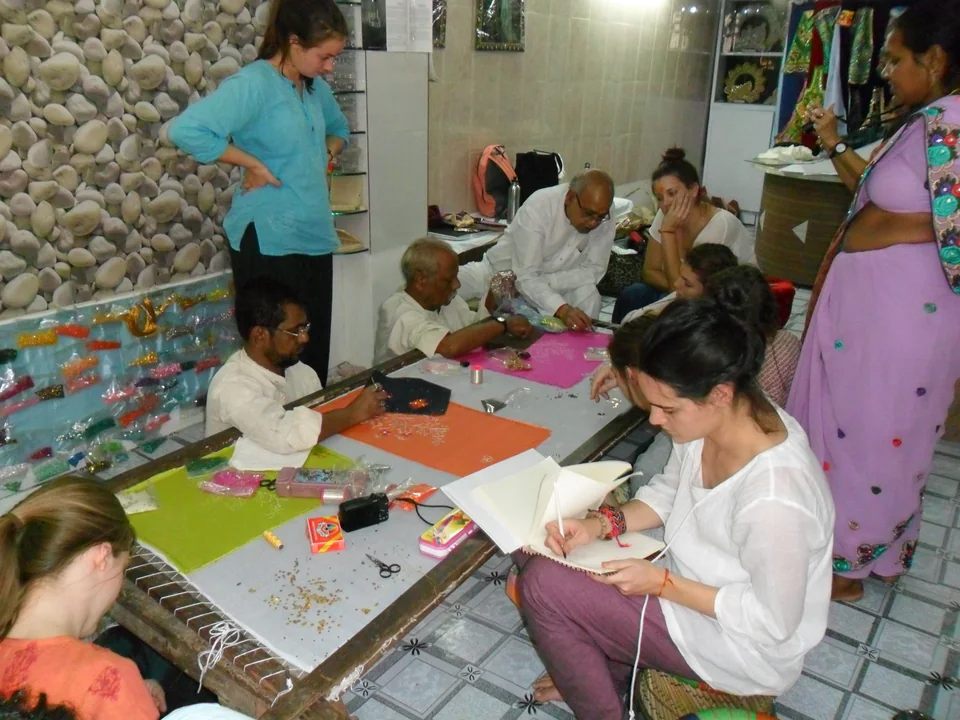
Sequins introduce reflective surfaces. Beads add small shapes and texture to a design. In the workshop archive, you can see these details arranged into motifs on fabric, alongside the embroidery frames used to hold the work.
Consider where you would like the eye to rest. A group of decorative details near a floral motif can draw attention to it; a repeated border can bring several garments into a coordinated set. If a crown or necklace will already be prominent, discuss how the embroidery can sit comfortably within the whole ensemble.
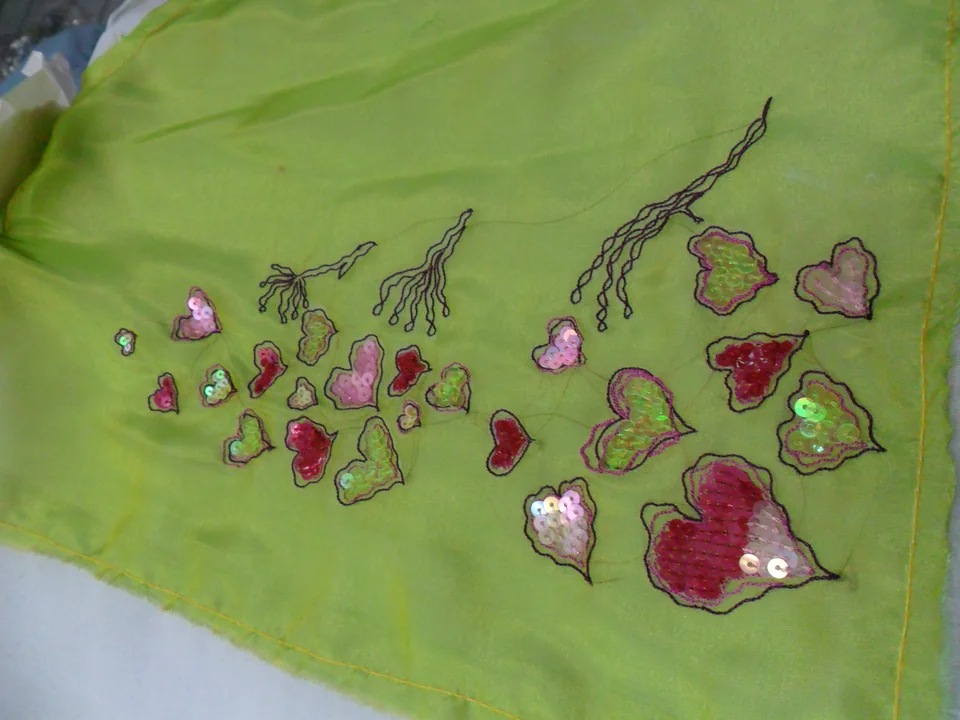
Judge the work at two distances.
Look at a close photograph to understand the finish, and then at the complete outfit to understand the composition. A small motif that looks generous in a close-up may appear very different on a full dress. The size of the deity, the garment and the viewing distance all belong in the design conversation.
Space around embroidered areas matters too. You may prefer a richly decorated festival outfit or a quieter design with a clear border and a few details. Neither preference needs to become a rule for every occasion. Use the custom deity dress service to discuss the balance you want.
Ask about the finished garment.
- Which materials create the metallic, reflective and raised details?
- How will the motif be scaled to the deity’s measurements?
- Where will the most detailed areas sit on the outfit?
- How will the dress coordinate with a mukut, mala or backdrop?
- What handling and care instructions apply to the actual materials?
For a view of the learning environment behind the craft, explore our Ashok School of Hand Embroidery workshop archive. The photographs show the work at table level, before it becomes part of a finished ensemble.
When discussing a hand embroidered poshak, identify the border, motif or decorative finish you like in your reference. That gives the maker a clearer starting point than a material name alone.